
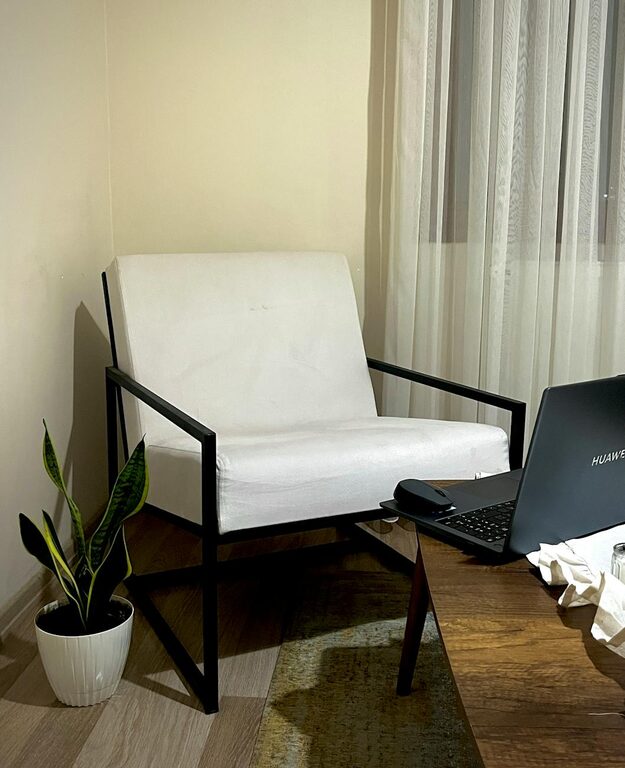
Creating a relaxing home workspace is essential in today’s world, where many of us balance work and life under the same roof. A well-designed workspace not only enhances productivity but also promotes a sense of calm and focus. If you’re finding it hard to concentrate or feel stressed while working from home, it may be time to rethink your setup.
In this post, we’ll explore practical ways to create a relaxing home workspace that supports your well-being and work performance.
Why a Relaxing Workspace Matters
When your workplace feels cluttered, uncomfortable, or uninspiring, it can increase stress and reduce motivation. On the other hand, a peaceful environment encourages mindfulness and helps you stay on task longer. Designing your workspace with relaxation in mind can:
– Reduce anxiety and distractions
– Improve your mood and energy
– Boost creativity and productivity
– Support better posture and comfort
Understanding this makes it clear why investing time in setting up a calming workspace is worthwhile.
Choose the Right Location
Find a Quiet Spot
Begin by selecting a spot in your home that’s quiet and away from heavy foot traffic. Noise and interruptions can break your concentration and increase stress levels.
Prioritize Natural Light
Try to position your desk near a window to benefit from natural light. Sunlight improves mood and reduces eye strain, both important for a relaxing workspace. If natural light is limited, use soft, warm lighting instead of harsh overhead bulbs.
Declutter and Organize Your Space
Clear the Excess
A cluttered desk can clutter your mind. Keep only essential items on your desk and store the rest out of sight. Use drawers, shelves, or storage boxes to maintain a tidy area.
Use Organizational Tools
Invest in organizers such as trays, file holders, or pen cups to keep everything in its place. Label drawers or folders to find what you need quickly and avoid frustration.
Choose Comfortable and Supportive Furniture
Invest in a Good Chair
A comfortable chair that supports proper posture is important both for your physical health and your ability to work calmly throughout the day. Look for adjustable chairs with lumbar support.
Select the Right Desk
Your desk should fit your space and work needs. If possible, choose a desk with enough surface area to accommodate your computer, notes, and any other tools you use regularly.
Add Personal and Calming Touches
Incorporate Plants
Indoor plants can reduce stress and improve air quality. Choose easy-to-care-for plants like succulents or peace lilies to bring a touch of nature to your workspace.
Use Soothing Colors
Colors influence mood. Soft blues, greens, and neutral tones tend to create a calming atmosphere. If painting is not an option, add accessories, wall art, or desk items in these colors.
Include Personal Items
Having a favorite photo, a small artwork, or meaningful items nearby can make your space more inviting and less sterile, contributing to relaxation and motivation.
Manage Technology and Noise
Limit Device Clutter
Keep cords, chargers, and devices organized using cable management solutions. A tidy tech setup helps avoid distractions and noise.
Use Noise-Cancelling Headphones or White Noise
If noise is unavoidable, noise-cancelling headphones or ambient white noise can help you maintain focus by drowning out distractions.
Develop a Routine and Break Space
Set Work Hours
Define your working hours and stick to them. Having a routine can reduce stress by creating clear boundaries between work and personal life.
Create a Break Zone
If space allows, designate an area away from your desk for breaks. Changing your environment, even briefly, can refresh your mind and reduce tension.
Keep the Space Fresh and Inviting
Open Windows Regularly
Fresh air boosts alertness and lifts your mood. Make a habit of airing out your workspace.
Maintain Cleanliness
Regular cleaning keeps dust and allergens away and prevents the buildup of clutter. A clean space feels more peaceful and comfortable.
Final Thoughts
A relaxing home workspace is within your reach. By selecting the right location, organizing your essentials, investing in comfortable furniture, and adding calming elements, you create an environment that supports your well-being and helps you work productively. Remember, your workspace should reflect your needs and preferences. Don’t hesitate to experiment with different layouts and decorations until you find what truly works for you.
Taking these steps will turn your workspace into a place you look forward to spending time in, day after day.